Reliable Window Contractors Petersburg
Ensure your Petersburg window installation is done correctly from the start. We carefully verify measurements, prepare rough openings, and integrate sill pans, flashing tapes, and matching sealants to satisfy ASTM E2112 and local code. We provide ENERGY STAR, NFRC-labeled units with correct U-factor/SHGC, DP ratings, and egress clearances. We recommend fiberglass, composite, or aluminum-clad frames for moisture-prone coastal areas, secure using stainless fasteners, and record permits, photos, and warranties. Look forward to clean sightlines, smooth operation, and reliable performance-then discover how materials, styles, and process align with your goals.
Essential Takeaways
- Expert technicians guarantee accurate measurements, flashing, and sealants to prevent moisture infiltration and performance problems in Petersburg's weather conditions.
- We suggest aluminum-clad, fiberglass, or composite frames with professional finishes rated for high humidity coastal environments and freeze-thaw cycles.
- Our comprehensive process encompasses safeguarding the installation site, dry-fit, precise leveling and alignment, manufacturer-specified fastening, and weatherproofing that meets ASTM E2112 standards.
- Energy-saving NFRC/ENERGY STAR windows with energy-efficient glazing, argon-filled chambers and warm-edge spacers decrease heating/cooling expenses and energy consumption.
- We verify all necessary code requirements, wind ratings, and egress specifications, and provide complete documentation, warranty information, and operating guidelines when finished.
The Importance of Professional Window Installation in Petersburg
Even though fitting new windows can look easy, professional installation in Petersburg ensures optimal performance, building code compliance, and warranty protection. You receive exact measurements, appropriate rough-opening setup, and leveling that maintains proper alignment and levelness. Installation experts apply weatherproofing elements and matching sealants that work with your cladding to prevent moisture infiltration and air leaks.
Experts validate local code compliance for U-factor, SHGC, and egress specifications, and log installation specifications including torque, fasteners, and anchoring to factory requirements, maintaining warranty coverage. They handle seasonal humidity by choosing proper backer rod size, vapor-permeable membranes, and weep paths that allow proper drying. For historic building projects, they align sightlines, muntin profiles, and jamb depths while upgrading performance discreetly. This prevents performance problems and structural concerns through precise, standardized installation practices.
Choosing the Most Suitable Window Options for the Local Petersburg Climate
Because of Petersburg's weather conditions including extreme temperature variations and coastal moisture, it's essential to select window elements that provide balanced balance between thermal efficiency, weatherproofing, and strength. Choose fiberglass or composite frames for their structural reliability and reduced expansion; use uPVC exclusively if properly strengthened and tested for -20°F cycles. For coastal installations, implement aluminum-clad wood or marine-grade aluminum with corrosion-resistant finishes to prevent corrosion. Specify factory-applied sealants, stainless or coated fasteners, and ASTM E2112-compliant flashing.
Glazing must be tempered or laminated on windward elevations and reinforced in other areas. Choose insulated glass units with warm-edge spacers and moisture-absorbing packets to minimize condensation risk. Apply full-perimeter gaskets, moisture barriers with drainage systems, and bug-resistant mesh in rust-resistant framing. Ensure DP/PG ratings conforming to regional wind requirements.
Energy Efficiency Benefits and Potential Savings
You can lower energy bills by putting in ENERGY STAR-rated windows fitted and sealed following manufacturer guidelines and local regulations. With better insulation characteristics (low U-factor, low SHGC, and correct air sealing), you minimize thermal transfer and air infiltration through the building's shell. As a result, your HVAC system cycles less often, lowering peak loads and increasing equipment longevity while maintaining ASHRAE comfort requirements.
Cut Down on Utility Bills
Often overlooked, high-performance window replacements in Petersburg minimize thermal transfer, lower solar heat gain, and decrease HVAC run time-immediately reducing monthly utility costs. Energy bills decrease when certified installers specify low-e coatings, warm-edge spacers, and gas-filled IGUs website tailored to your home's orientation and local climate data. Our team confirms SHGC and U-factor options align with code and utility rebate criteria.
To evaluate performance, perform thorough energy evaluations before and after installation; you'll document baseline loads and achieved kWh/therm reductions. Match the upgrade with thermostat optimization to limit cycling and maximize envelope efficiency while maintaining comfort levels. Effective frame weatherization, NFRC-rated products, and code-approved flashing ensure lasting performance. With decreased peak usage, your HVAC operates in efficient ranges, increasing equipment longevity and decreasing maintenance costs.
Advanced Insulation Capabilities
Although appearance is important, the key advantage from Petersburg window replacements is tighter thermal control through outstanding insulation performance. You receive assemblies engineered to minimize conductive, convective, and radiative losses, certified by NFRC ratings and ENERGY STAR climate criteria. Multi-pane IGUs with energy-efficient treatments and argon fills reduce thermal bridging at glass surfaces, while thermally-improved separators and insulated frames cut edge losses.
The accuracy of installation is essential. We specify backer rod and low-expansion foam to seal the gap, then apply ASTM-compliant flashing to maintain a complete air and water seal. This air barrier aids in controlling condensation by ensuring warmer interior surfaces and regulating vapor transfer. The end product delivers steadier indoor temperature levels, minimized air infiltration, and measurable energy efficiency gains that support predictable operating costs year-round.
Lower HVAC Requirements
Because quality glazing and precise installation decrease thermal transfer, Petersburg window replacements decrease temperature and humidity impacts on your HVAC system. You'll observe reduced compressor cycling, reduced defrosting cycles, and smoother zone temperature control. By restricting unwanted airflow and solar heat gain coefficient (SHGC), we maintain indoor temperatures, allowing more efficient equipment sizing and improved setpoint control.
A reduction in operating time leads to lower utility bills and improved HVAC durability. Properly sized windows with excellent thermal resistance and warm-edge spacers minimize perimeter drafts, permitting your system to achieve design airflow without overworking fans or heat pumps. With proper air sealing and NFRC-rated products, you achieve energy code requirements while protecting coils and motors from short-cycling. You can anticipate quieter operation, extended service intervals, and noticeable savings on kWh and therm usage over the seasonal cycle.
Styles and Design Options to Enhance Curb Appeal
You'll choose window types-including casement, double-hung, slider, awning, or bay/bow-depending on airflow requirements, safety requirements, and visibility preferences. You'll select frame components (such as vinyl, fiberglass, aluminum-clad, and wood) to align with Petersburg's environmental demands, maintenance needs, and structural requirements, while ensuring compliance with local standards. You'll determine colors and grille designs to complement your architectural style and follow HOA guidelines while meeting manufacturer finish guarantees.
Window Styles: A Complete Overview
While appearance is essential, choose window designs that satisfy Petersburg's weather demands, construction regulations, and your property's design. Pick double-hung windows for historic appearances and straightforward upkeep; their slim profiles are perfect for historic preservation while satisfying required egress dimensions. Casement styles deliver excellent air sealing and catch prevailing breezes-ideal for energy performance objectives and bedroom egress requirements. Awnings shield against rain while providing air circulation below. Picture units enhance daylight and views; pair them with operational styles to preserve natural ventilation according to regulations.
For larger openings, sliding windows and doors offer low-clearance operation and reliable drainage paths. Bay and bow window systems boost daylighting and curb appeal; confirm adequate support structure and protective glazing where required. Custom shapes enhance architectural vision. To control street noise, select laminated double-pane glass to enhance sound isolation while maintaining clear views.
Materials and Their Impact on Frames
Your choice of frame material influences lifespan, energy efficiency, maintenance requirements, and curb appeal. Evaluate materials such as aluminum, fiberglass, vinyl, wood, and composites based on Petersburg's climate and construction requirements. Thermally enhanced aluminum featuring a Thermal break reduces thermal conductivity while maintaining slim sightlines. Fiberglass delivers high strength, low expansion, and superior U-factor ratings. Premium vinyl reduces maintenance requirements, but verify proper structural ratings and reinforced meeting rails for larger spans. Wood-clad frames with engineered cores deliver traditional profiles with enhanced exterior resilience. Composites merge fiber and polymer for durable, airtight units. Be sure to define DP/PG ratings, air/water infiltration limits, and NFRC-certified values. Consider eco-friendly frames to meet sustainability objectives without sacrificing structural or energy performance.
Color and Grille Options
What role do finish colors and grille patterns play in aesthetic appeal while preserving performance? Select factory-applied finishes evaluated for UV stability and salt-spray resistance, ensuring Petersburg's coastal humidity cannot affect color. Select rich, matte finishes for south elevations to decrease solar gain; select light-reflective frames with dark trim contrasts to enhance sightlines. Coordinate accent palettes to existing exterior elements to ensure visual continuity.
Window grilles contribute to both function and form. Grilles positioned between glass panes reduce cleaning effort and protect U-factor. Divided lite simulations incorporating spacer bars combine thermal efficiency with historical authenticity. Select muntin dimensions that complement window scale and meet preservation guidelines. Confirm coating adherence to AAMA 2604/2605 without compromising ENERGY STAR status. We offer comprehensive documentation, elevation demonstrations, and tailored solutions for your lighting and maintenance needs.
The Installation Process: A Step-by-Step Overview
Before the installation team arrives, you'll be provided with a confirmed schedule, scope, and product list, then the team will complete a location inspection to verify rough openings, access, and safety requirements. You'll go over staging areas, utility points, and entry routes. Installation crews secure interiors with careful protective covering installation and protective barriers, followed by implementing temporary ventilation to minimize particulates. Crews carefully remove existing frames and sashes, inspect substrate integrity, and correct rot or out-of-square conditions.
Fresh units are precisely placed and aligned and shimmed for proper levelness, plumbness, and square alignment, then securely fastened according to manufacturer specifications. Moisture barrier installation includes pan flashing, jamb flashing, and head flashing that properly integrate with the weather-resistant barrier. Joints are properly sealed with recommended sealant materials and backer rod. Careful inspection ensures proper operation, weep functionality, and visual alignment. Interior trim work, insulation installation, and hardware mounting are completed, followed by thorough surface cleaning and debris removal. We provide complete operating guidance and warranty materials.
Making Sense of Permits, Codes, and Compliance
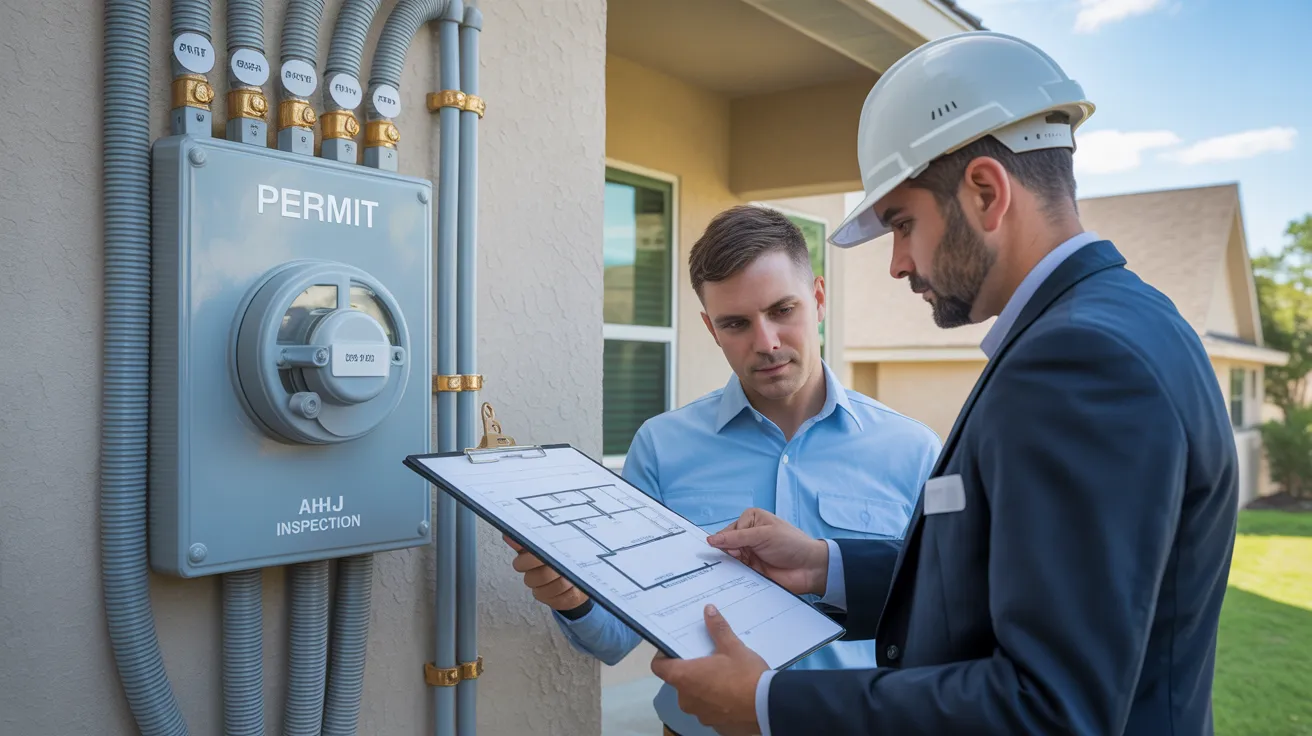
You'll start by acquiring the required Petersburg permits, ensuring compliance with energy, occupancy, and egress standards. We'll follow a comprehensive code compliance checklist-addressing tempered glass installation at doors, egress sizes, U-factor/SHGC specifications, appropriate flashing, and anchorage according to manufacturer specifications and local codes. Finally, you'll successfully complete inspections with properly documented permits, product labels, and visual documentation of installation details including openings, flashing, and anchoring.
Required Local Permits
Even with a basic window replacement, Petersburg's building code treats window upgrades as permitted construction, and you must ensure compliance. You must acquire a residential building permit if installations alter measurements, structural elements, or escape routes, and when making structural modifications. Within historically designated areas, secure design authorization prior to submission; window specifications, divider configurations, and exterior treatments should align with approved submittals.
Only work with professionals holding current contractor licensing and city business registration. Your contractor should pull the permit, including manufacturing information, pressure specifications, safety glazing details, and mounting method. Expect examination of framing modifications and completed work. Provide site address, project scope, valuation, and HOA approval if needed. Plan for a 5-10 day period for evaluation, adding more time for historic districts. Avoid starting work until permit issuance.
Regulatory Compliance Checklist
Though every project is different, this reference breaks down Petersburg's window code regulations into actionable steps you can verify before installation and purchase. Confirm your permit scope corresponds to the window number, sizes, placements, and structural modifications. Validate product approvals: NFRC-labeled units meeting energy code U-factor and SHGC for Petersburg's climate zone. Confirm egress dimensions for sleeping rooms: clear opening, sill height, and operation. Verify tempered glazing at hazardous locations per safety standards: near doors, within wet zones, and at floor-level glass. Confirm wind-load and design pressure ratings meet local exposure categories. Specify corrosion-resistant fasteners and flashing aligned with materials. Specify sill pans, WRB integration, and weep paths. Protect existing fire-resistance where required. Establish an internal inspection guide to validate rough openings, shims, anchors, sealants, and clearances.
Inspection and Documentation
Before starting window installation, establish a comprehensive inspection and documentation plan that meets Petersburg's regulatory requirements. Define responsibilities, oversight, and timing to secure immediate acceptance. Prepare an inspection checklist covering opening prep, flashing, fasteners, shims, air/water barriers, fire egress, tempered glazing, efficiency certifications, water management. Arrange inspections for rough opening, pre-finishing, and project closeout.
Establish documentation standards: installation permits, product certifications, setup guides, serial numbers, stage-by-stage photography, measurements, and test results (blower-door when required). Document discrepancies, remedial measures, and designated individuals. Keep a shared documentation system with time records and approvals to fulfill AHJ inquiries. Verify compliance according to the Petersburg code updates and manufacturer requirements before requesting inspection. Maintain all records for warranty and resale.
Getting Your Home Ready for Installation Day
After your installation date is confirmed, make sure to prepare work areas to allow crews to operate safely and productively. Maintain 4-6 feet of clear space around windows. Remove all drapes, blinds, sensors, and hardware. Label each room and window location to match your contract. Provide access to grounded outlets for tools and HEPA vacuums. Confirm parking availability and clear access from vehicle to entrance.
Safeguard your belongings by covering nearby furniture, electronics, and floors with protective covers or drop sheets. Transfer breakable belongings to another area. Ensure pet safety by containing them in pet carriers or keeping them behind closed doors, clear of entrances and construction zones.
Disable safety systems connected to windows, and confirm alarm bypass procedures with your monitoring service. Set up a staging zone for equipment. Verify beginning time, project supervisor, and communication procedures.
Essential Care and Maintenance Guidelines
After installation is completed, check functionality and safeguard surfaces to protect your warranty and energy ratings. Check every window sash and lock to ensure seamless movement, complete alignment, and uniform reveals. Check weatherstripping consistency, sash-to-frame contact, and ensure weep holes allow proper drainage. Clean frames and glass with non-abrasive cleaners; stay away from strong chemicals that can damage sealants.
Perform seasonal maintenance checks. During spring and fall, confirm fasteners are tight, exterior sealing is intact, and flashing effectively directs water. Seal gaps wider than hairline size using an approved ASTM C920 sealant. Examine insulated glass unit edges for foggy appearance signaling seal failure.
Apply silicone lubricant annually on hinges, locks, and rollers with a silicone lubricant; do not use petroleum on vinyl. Clean the tracks regularly, adjust screens, and maintain interior humidity (between 30 and 50 percent) to prevent condensation.
Trusted Warranties, Guarantees, and Service
Since windows are long-lasting assets, you deserve strong guarantees and dependable support. You receive comprehensive warranty coverage that detail parts, finishes, glass, hardware, and labor, with terms and limitations clearly defined. We align guarantees with manufacturer specs and local code, guaranteeing seal performance, frame durability, and proper installation. We offer lifetime warranties when available; alternatively, warranty periods are based on product type and usage.
We provide a transferable warranty when available, with detailed registration procedures, claim processes, and purchase verification. Our workmanship guarantee provides correction for water or air penetration tested to ASTM standards. If problems occur, call our Service hotline for triage, scheduling, and certified diagnostics. We maintain records of serial numbers, installation documentation, and fastening specifications to verify warranties and expedite solutions.
When to Replace Your Windows
Even with good warranties, it's essential to recognize when your windows need replacement. Be alert to persistent drafts around window components, signaling compromised seals or damaged elements. Check for moisture between glass panes, a clear indication of seal failure. Monitor glazing status for cracks, chips, or haziness that reduces visibility and safety. Proper function matters: when sashes jam, locks fail, or won't hold position, the hardware needs attention. Examine frames for deterioration, decay, or rust; structural integrity is vital. Increasing utility bills may indicate unfixable insulation issues. When repairs can't restore efficiency standards, you should consider new windows to improve efficiency and comfort levels.
Frequently Asked Questions
How Long Do Custom Window Orders Usually Take to Arrive in Petersburg?
You can expect custom window deliveries in Petersburg to take 4-8 weeks. Lead time varies based on material, glazing specifications, hardware, and supplier capacity. Expect longer timelines during peak seasons or for specialty orders. Production delays may result from glass supply shortages, custom color processing, or shipping challenges. To ensure proper timing and code adherence, lock in your specs promptly, confirm drawings, and track production milestones.
Can Professional Installers Safely Handle Window Lead Paint and Asbestos?
Absolutely - given appropriate certification, qualified technicians can safely work with window lead paint or asbestos. Careful preparation is essential: verify lead safe certification and asbestos training before starting the project. They provide proper containment systems, negative air pressure, and HEPA filtering including wet methods and compliant PPE. Qualified workers carry out necessary sampling and compliance measures, and correctly handle debris disposal at certified disposal locations. They will document documentation of handling and perform final testing, then restore spaces properly while ensuring occupant safety and project timing.
What Payment Options and Financing Plans Do You Offer for Window Projects?
Yes, we provide flexible payment options and financing plans. We provide several ways to pay: low-interest installments, same-as-cash promos, and ACH/card payments. Credit checks apply for financing; our process includes soft credit checks for prequalification followed by hard pulls at contract signing. We ensure compliant and clear terms: set interest rates, zero prepayment fees, detailed payment schedules, and comprehensive invoicing. You'll approve scope, draw schedule, and lien waivers. We coordinate rebates and permits to align disbursements with milestones.
What Impact Does Installation Have on Security Systems and Window Sensors?
Yes. During window replacement, existing security devices can be disrupted-approximately 30% of service calls after installs involve sensor issues. We handle alarm system integration, deactivate security zones, detach contacts following proper protocols, and reinstall with proper gap tolerances. We complete sensor adjustment procedures, magnetic contact positioning, and mounting method validation. We test each circuit, confirm supervised loop values, and maintain detailed zone documentation. We'll conduct a live security check and as-built photos to ensure system compliance.
Is It Possible to Remain Comfortable at Home During Winter Installation Projects?
Yes, you can stay home during winter installations with very limited discomfort. Installation teams isolate work zones, stage one opening at a time, and employ plastic barriers, draft stops, and temporary heating to maintain interior setpoints. They plan high-exposure procedures during warmer hours, use noise mitigation, and tidy up as they go. Professionals check weatherstripping, foam seals, and flashing comply with code. You'll receive a daily itinerary, room-by-room ordering, and safety clearances to maintain living areas accessible.
Conclusion
Looking at the final outcome, it's clear to see the new seals fit perfectly, the U-factor meets requirements, and air leaks disappear-just as intended. You've chosen materials that meet code requirements for Petersburg's climate, enhanced NFRC-certified performance, and chosen styles that enhance curb appeal. Installation day went according to plan, with windows correctly set, sealing completed properly, and documentation finished. Moving forward, you'll track energy consumption, maintain the tracks, and test safety components periodically. When replacement time comes, you'll notice the signals-and contact the professionals.